
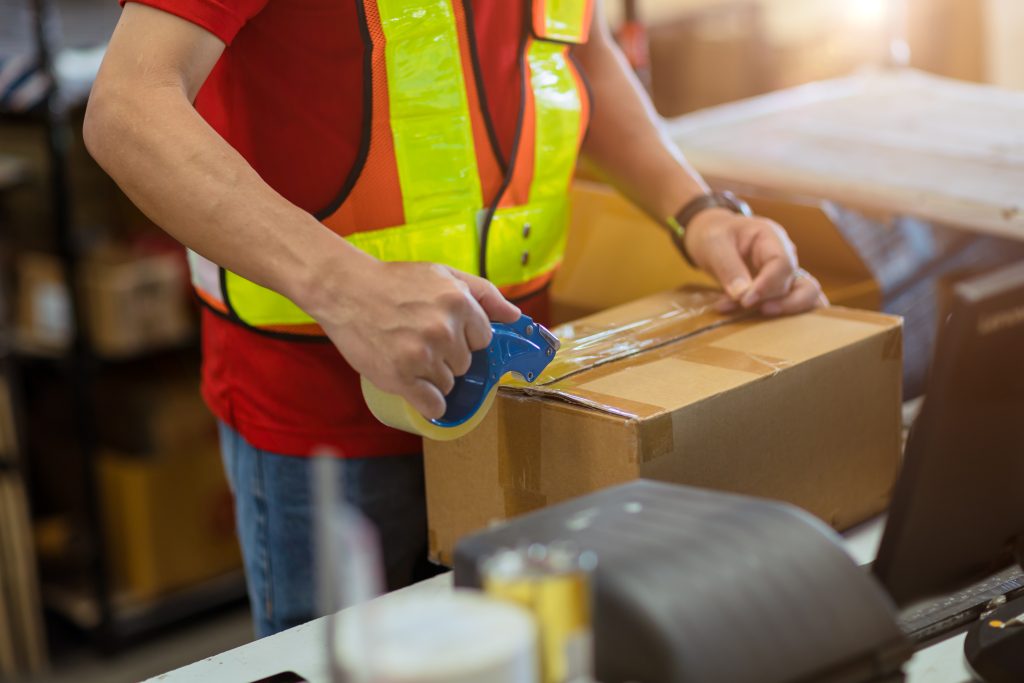
Packing tape is the cheapest part of most shipments and the one most likely to fail at the worst possible moment. A box that pops open in transit means a damaged product, a lost package, or a customer who does not order again. The fix is not buying the most expensive tape on the shelf. It is matching the tape to the box, the weight, and the conditions it travels through.
This guide breaks down the three things that decide whether packing tape holds: thickness, adhesive, and the type of tape you choose. By the end you will know exactly what to order.
The short version: To choose the right packing tape, match three things to your shipment. Pick a thickness (mil) that suits the box weight, with heavier loads needing a higher mil. Pick an adhesive: hot melt for general use, acrylic for cold or long storage, and water-activated for security and heavy boxes. Then choose the tape type for the job, from carton sealing for everyday boxes to filament tape for bundling and heavy-duty loads.
What Packing Tape Actually Has to Do
A strip of tape has a harder job than it looks. Corrugated has memory, so a sealed box is always trying to push its flaps back open. Good tape resists that pull, survives temperature swings and humidity, and holds through rough handling and the weight of other boxes stacked on top. When tape is undersized for the job, it lifts at the edges, the seam splits, and the box opens. Choosing the right tape is really about beating those three forces: the box, the conditions, and the handling.
Tape Thickness: What Mil Means
Tape thickness is measured in mils, or thousandths of an inch. Thicker tape is stronger and more tear-resistant, but it also costs more, so the goal is to match the thickness to the load rather than overbuy. Most carton sealing tape runs from about 1.6 mil to 3.5 mil.
| Thickness | Best for |
|---|---|
| 1.6 to 1.8 mil | Light boxes and low-weight items |
| 2.0 to 2.6 mil | Standard shipping and most everyday boxes |
| 3.0 mil and up | Heavy boxes, dense contents, and rough handling |
Adhesive Types: Hot Melt, Acrylic, and Water-Activated
The adhesive matters as much as the thickness. The three common options behave very differently once your boxes hit the real world.
| Adhesive | Strengths | Best for |
|---|---|---|
| Hot melt | Strong initial grab, quiet unwind, good value | General-purpose, high-volume carton sealing |
| Acrylic | Holds up in cold, heat, and long storage; resists yellowing | Cold warehouses, long-term storage, varying temperatures |
| Water-activated (kraft) | Bonds into the box fibers for a tamper-evident seal | Heavy boxes and security-sensitive shipments |
Hot melt is the default for most shipping rooms. If your boxes sit in a cold warehouse or get stored for months, acrylic holds up better over time. For heavy cartons or anything where a tamper-evident seal matters, water-activated kraft tape is hard to beat because it becomes part of the box.
Common Tape Types and When to Use Each
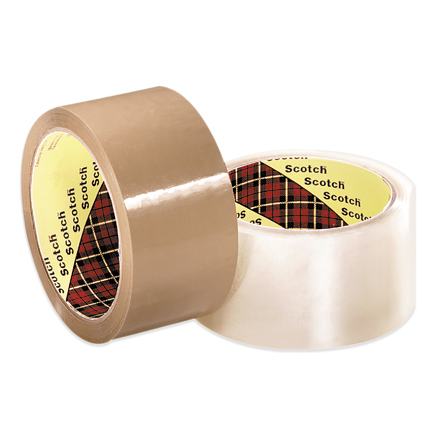
Beyond clear carton sealing tape, a few specialty tapes solve specific problems.
| Tape type | Use it for |
|---|---|
| Carton sealing | Everyday box sealing, the workhorse of any shipping room |
| Water-activated kraft | Heavy boxes and tamper-evident, secure seals |
| Filament (strapping) | Bundling, reinforcing, and heavy-duty holding |
| Masking | Painting, labeling, and light, removable holding |
| Flatback | Tabbing, splicing, and writable surfaces |
| Duct | Repairs, bundling, and rugged general use |
Width, Length, and How Much to Buy
Two-inch tape is the standard width for most boxes. Step up to three-inch tape for large or heavy cartons, where the extra width adds holding power across the seam. Tape length is measured in yards per roll, and buying by the case lowers your cost per roll and keeps you from running out mid-shift. If you standardize on one or two tape specs, ordering and restocking get a lot simpler.
Application: How to Get a Better Seal
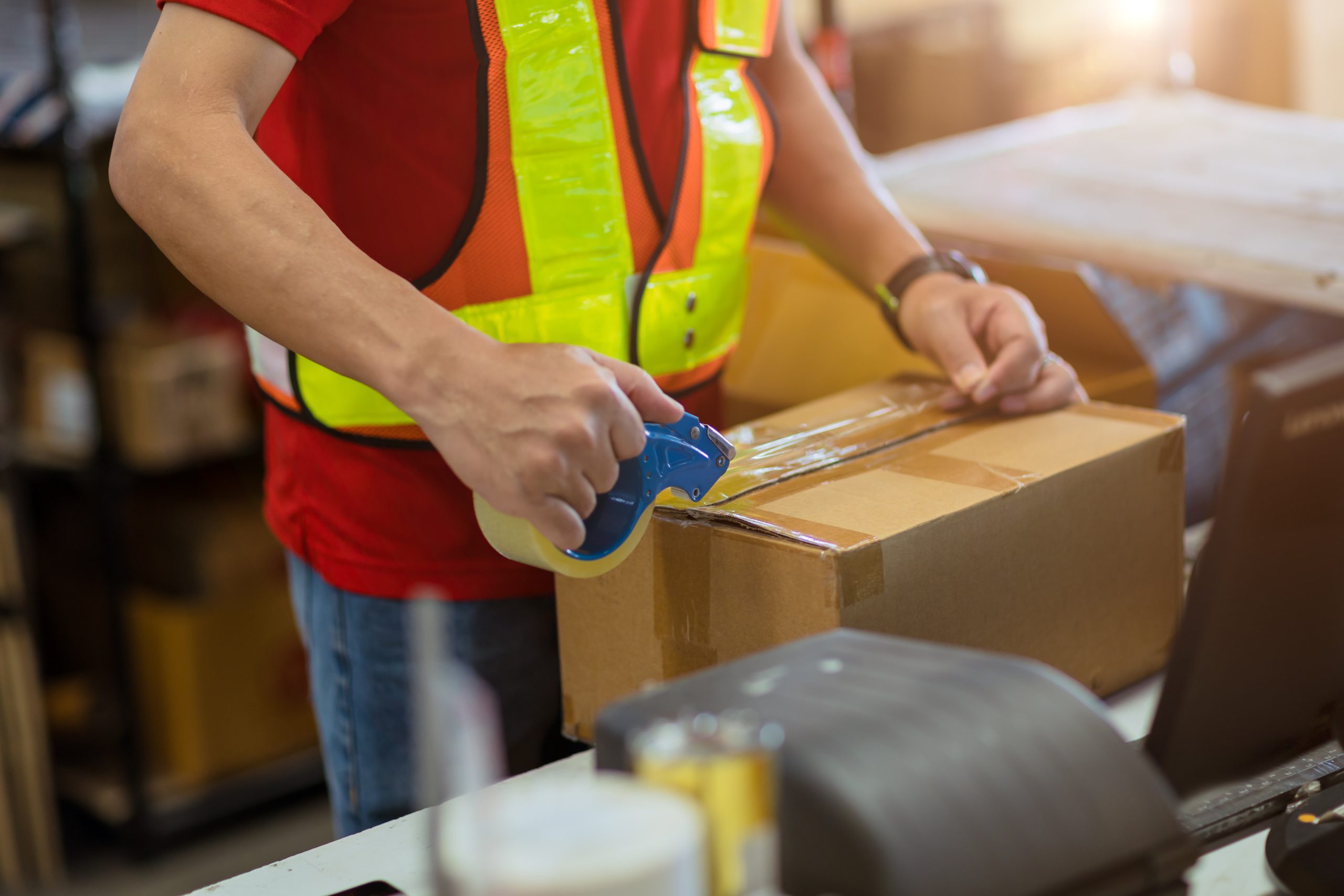
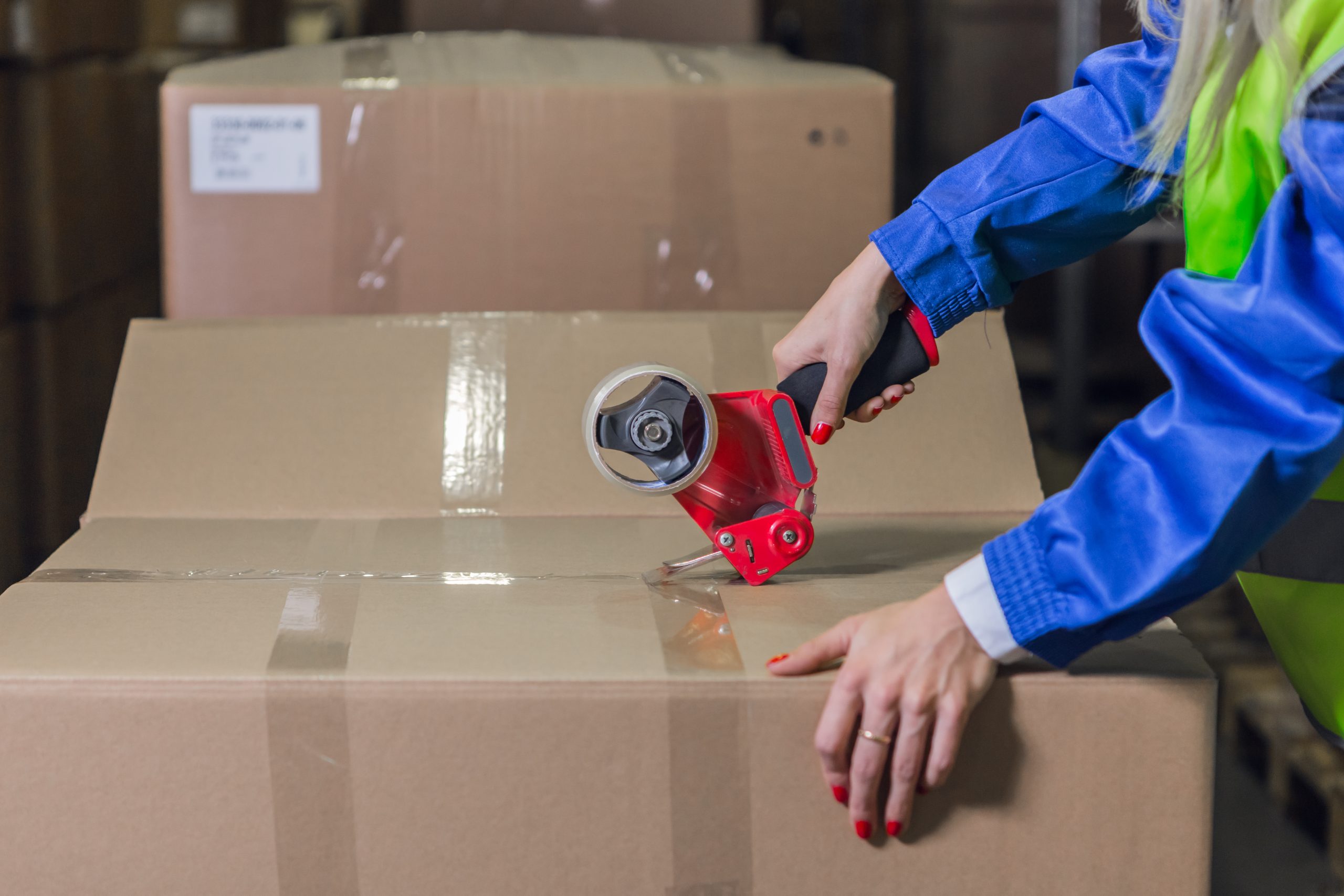
Even the right tape fails if it is applied poorly. Use a tape dispenser or gun for a consistent, firm application, and seal boxes with the H-taping method: run tape along the center seam, then across both edge seams so the flaps cannot lift. Apply to clean, dry boxes, since dust and moisture are the fastest way to ruin a bond. A well-taped box starts with a well-built box, so pair your tape with the right corrugated box for the load.
Matching Tape to the Job
Here is a quick framework for the situations that come up most often.
If you seal standard boxes all day, a 2.0 to 2.6 mil hot melt carton sealing tape is the reliable default.
If your boxes are heavy or you need a tamper-evident seal, move to water-activated kraft tape.
If you store inventory cold or for a long time, choose an acrylic adhesive so the bond does not let go.
If you are bundling or reinforcing, reach for filament tape rather than standard carton tape.
Frequently Asked Questions
What mil packing tape is best for heavy boxes?
For heavy boxes, use 3.0 mil or thicker tape, or switch to water-activated kraft tape. Thicker tape resists tearing and lifting, and water-activated tape bonds into the box fibers for a stronger, more secure seal.
What is the difference between hot melt and acrylic tape?
Hot melt tape has a strong initial grab and is great for high-volume sealing at normal temperatures. Acrylic tape holds up better in cold, heat, and long-term storage and resists yellowing over time.
Is water-activated tape better than plastic tape?
For heavy or security-sensitive boxes, yes. Water-activated kraft tape bonds into the corrugated and creates a tamper-evident seal. For everyday lightweight shipping, standard plastic carton tape is faster and more economical.
How do I keep my tape from popping open?
Use tape rated for your box weight, apply it to clean and dry boxes, and use the H-taping method to seal the center and both edge seams. A tape gun gives a firmer, more consistent bond than hand application.
What width of packing tape should I use?
Two-inch tape suits most standard boxes. Use three-inch tape for large or heavy cartons, where the extra width spreads holding power across the seam and reduces the chance of the box opening.
Why does my tape not stick in a cold warehouse?
Many hot melt adhesives lose grab in cold conditions. Switch to an acrylic or a cold-temperature adhesive rated for low temperatures, and make sure boxes are dry, since condensation prevents a good bond.
The Bottom Line
Choosing the right packing tape comes down to three decisions: thickness, adhesive, and type. Match the mil to the box weight, pick an adhesive that suits your temperature and storage, and reach for a specialty tape when the job calls for it. Get those right and your boxes stay sealed from the packing station to the customer’s door.
Why Order Your Packing Tape From National Everything Wholesale
When a failed seal can cost you a sale, the tape you buy and who you buy it from both matter. National Everything Wholesale is your one-source wholesale partner for quality, consistency, and speed. We stock more than 20,000 packaging, shipping, and industrial supplies and ship same-day from five distribution centers across the country, so the tape your shipping room runs on is always in stock and on its way when you need it. From everyday carton sealing tape to water-activated and specialty tapes, you get wholesale pricing, dependable quality, and a team that knows packaging.
Ready to order? Browse the full range of tape and adhesives and place your order online, or call us at (833) 991-0993 and our team will help you find the right tape for the job. Have questions first? Contact us here and we will get right back to you.