The box gets the attention, but what is inside it does the real protecting. The right cushioning is the difference between a fragile item that arrives intact and one that arrives in pieces, and using too much of the wrong material just wastes money. Protective packaging is not one product. It is a small family of materials, each suited to a different kind of product and a different kind of risk.
This guide walks through the main types of protective packaging, what each one does best, and how to choose the right cushioning for your products.
The short version: Protective packaging comes in a few main types, each for a different job. Bubble wraps and surrounds fragile items, foam cradles and supports delicate or oddly shaped products, air pillows fill empty space to stop movement, and paper is an economical, recyclable fill and wrap. Match the material to the fragility of the product and the amount of void space in the box.
What Protective Packaging Has to Do
Cushioning fights three things. It absorbs shock from drops and impacts, it stops the product from moving inside the box, and it keeps fragile surfaces from rubbing or pressing against each other. A box with a loose product rattling inside has none of that protection, no matter how strong the box is. The job of protective packaging is to fill the gap, immobilize the contents, and soak up the bumps of the trip.
Bubble: Wrapping and Surrounding Fragile Items
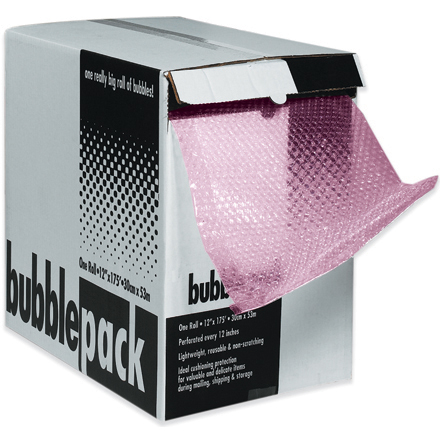
Bubble is the go-to for wrapping fragile items because it surrounds the product with a layer of air-filled cushioning. It is fast to apply, conforms to most shapes, and protects surfaces from scratches as well as impacts. Use it to wrap electronics, glassware, ceramics, and anything with a delicate surface, then fill any remaining void so the wrapped item cannot shift.
Foam: Cradling Delicate and Oddly Shaped Products
Foam is the choice when a product needs to be cradled rather than just wrapped. Foam sheets, pouches, and rolls protect smooth and scratch-sensitive surfaces, while heavier foam supports dense or oddly shaped items that need to be held in place. It is ideal for high-value goods where a premium, snug fit matters.
Air Pillows and Void Fill: Stopping Movement
Air pillows are the most economical way to fill empty space and stop a product from moving inside the box. They are light, which keeps shipping weight down, and they inflate on demand so they store flat. Air pillows are best for filling void around an already-protected product rather than as the only cushioning for a fragile item. For settling, flowable fill, loose fill is another void-fill option.
Paper: Economical, Recyclable Wrap and Fill
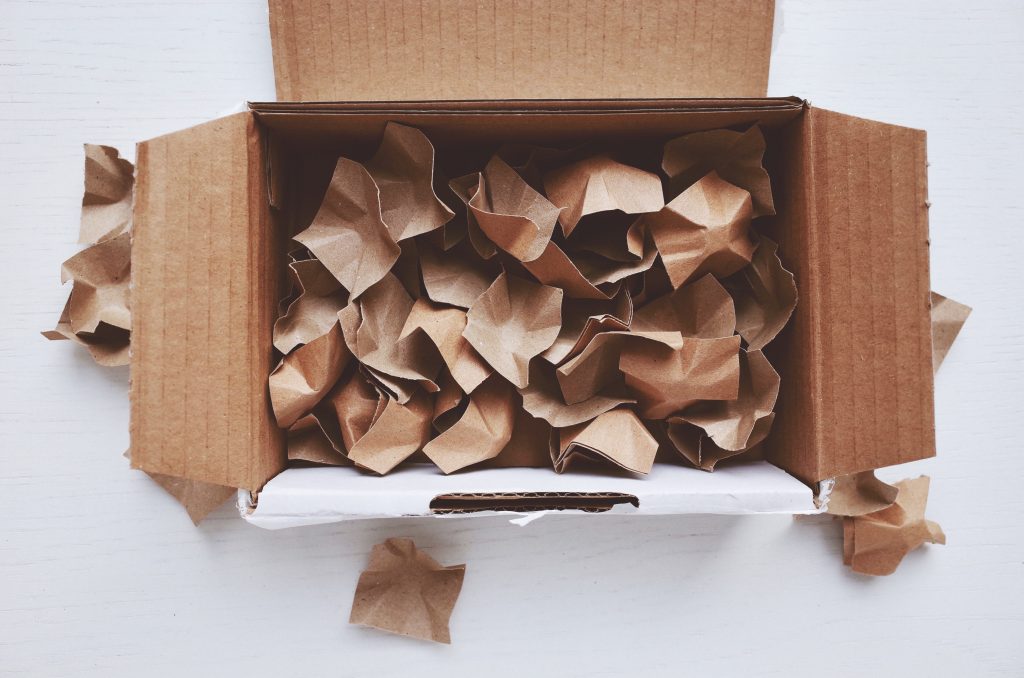
Paper-based protection is a flexible, recyclable option that customers can put straight in the recycling bin. Kraft paper wraps and cushions, and crumpled paper fills void at low cost. It is a strong fit for businesses that want a sustainable presentation without giving up protection on durable goods.
Matching the Cushioning to the Job
Here is a quick framework for the most common situations.
If you ship fragile, scratch-sensitive items, wrap them in bubble or foam.
If you ship high-value or oddly shaped goods, cradle them in foam.
If you mainly need to fill empty space, use air pillows or paper.
If sustainability is a priority, choose paper-based fill and wrap.
Frequently Asked Questions
What is the best protective packaging for fragile items?
For most fragile items, wrap the product in bubble or foam to surround the surface, then fill any remaining void so it cannot move. Bubble suits general fragile goods; foam suits scratch-sensitive or high-value products.
What is the difference between bubble and foam?
Bubble surrounds an item with air-filled cushioning and is fast and economical. Foam cradles and supports the product with a snug, premium fit and is gentler on scratch-sensitive surfaces.
When should I use air pillows?
Use air pillows to fill empty space around a product that is already protected, stopping it from shifting. They are light and economical but are not a substitute for wrapping a fragile item.
Is paper packaging good enough to protect products?
For durable goods and void fill, paper works well and is recyclable. For fragile or scratch-sensitive items, pair paper with bubble or foam for direct surface protection.
How much cushioning do I need in a box?
Enough to immobilize the product and leave a cushion between it and the box walls. A common guideline is roughly two inches of cushioning on fragile items, with no empty space for the product to shift into.
What protective packaging is most sustainable?
Paper-based wrap and fill are the most easily recyclable options. They protect durable goods well and give customers a packaging they can recycle curbside.
The Bottom Line
Protective packaging is about matching the material to the product. Wrap fragile items in bubble or foam, cradle high-value goods in foam, fill empty space with air pillows or paper, and lean on paper when sustainability matters. Immobilize the contents and cushion the surfaces, and your fragile items arrive intact.
Why Order Your Protective Packaging From National Everything Wholesale
When the cushioning is what stands between your product and a damage claim, the materials you choose and who you buy them from both matter. National Everything Wholesale is your one-source wholesale partner for quality, consistency, and speed. We stock more than 20,000 packaging, shipping, and industrial supplies and ship same-day from five distribution centers across the country, so the bubble, foam, air pillows, and paper your packing station depends on are in stock and on their way when you need them. You get wholesale pricing, dependable quality, and a team that knows packaging.
Ready to order? Browse the full range of bubble, foam, and cushioning and place your order online, or call us at (833) 991-0993 and our team will help you protect your products the right way. Have questions first? Contact us here and we will get right back to you.