
Sustainability in packaging is no longer a niche concern driven by a small segment of environmentally focused companies. It has moved into the mainstream of how businesses think about procurement, operations, and customer relationships, and the pressure to act is coming from multiple directions at once.
Customers increasingly expect products to arrive in packaging that reflects consideration for the environment. Retailers and large distribution partners are tightening supplier packaging requirements. Regulations in more markets are expanding restrictions on single-use plastics and non-recyclable materials. And as the costs of waste disposal, excess materials, and inefficient packaging add up, the financial case for sustainable packaging has become just as compelling as the environmental one.
For businesses that are still evaluating where to start or how to keep pace with change, this overview covers the most significant trends shaping packaging in 2026 and what they mean for practical operations.
The Shift From Plastic Bubble to Paper-Based Cushioning
One of the most visible packaging transitions in recent years has been the move away from plastic bubble wrap and plastic air pillows toward paper-based cushioning alternatives. This shift is being driven by a combination of consumer preference, retailer mandates, and the curbside recyclability advantage that paper holds over most plastic packaging films.
Paper cushioning has improved significantly in its protective performance. Crumpled kraft paper, honeycomb paper wrap, and paper void fill dispensers now offer comparable protection to plastic bubble wrap for a broad range of products, particularly those at moderate risk of impact damage. Paper-based cushioning can be recycled in standard curbside streams, making disposal easier for end consumers and reducing the volume of plastic waste entering the waste stream from e-commerce fulfillment.
The practical implication for operations is that transitioning to paper cushioning is no longer a compromise on protection. For most standard product categories, the performance gap between paper and plastic cushioning has narrowed substantially, and the logistical advantages of a recyclable material are real.
Right-Sizing: Less Packaging, Lower Costs, Better Outcomes
Right-sizing, using boxes and packaging that closely match the dimensions of the product being shipped rather than defaulting to larger sizes, is one of the highest-impact and most cost-effective sustainability moves an operation can make.
Oversized packaging wastes corrugated, increases void-fill consumption, raises dimensional-weight shipping costs, and sends a poor signal to customers who receive a large box containing a small product. At high volumes, the cost of excess packaging material across thousands of shipments is substantial.
The 2026 trend in right-sizing is not just about manually selecting better box sizes. More operations are adopting box-right systems and packaging guidance tools that recommend or automate the selection of appropriate boxes based on product dimensions. Even without automated systems, operations that maintain a well-curated assortment of box sizes and train packing staff on selection guidelines can measurably reduce average box size and packaging material use.
Right-sizing also has a direct environmental benefit beyond just reducing material waste. Smaller packages mean more packages per truck, which reduces the number of transport runs needed for the same volume of shipments. The carbon impact of transportation is one of the largest contributors to e-commerce’s overall environmental footprint, and right-sizing it meaningfully reduces it.

Recycled Content in Corrugated and Paper Products
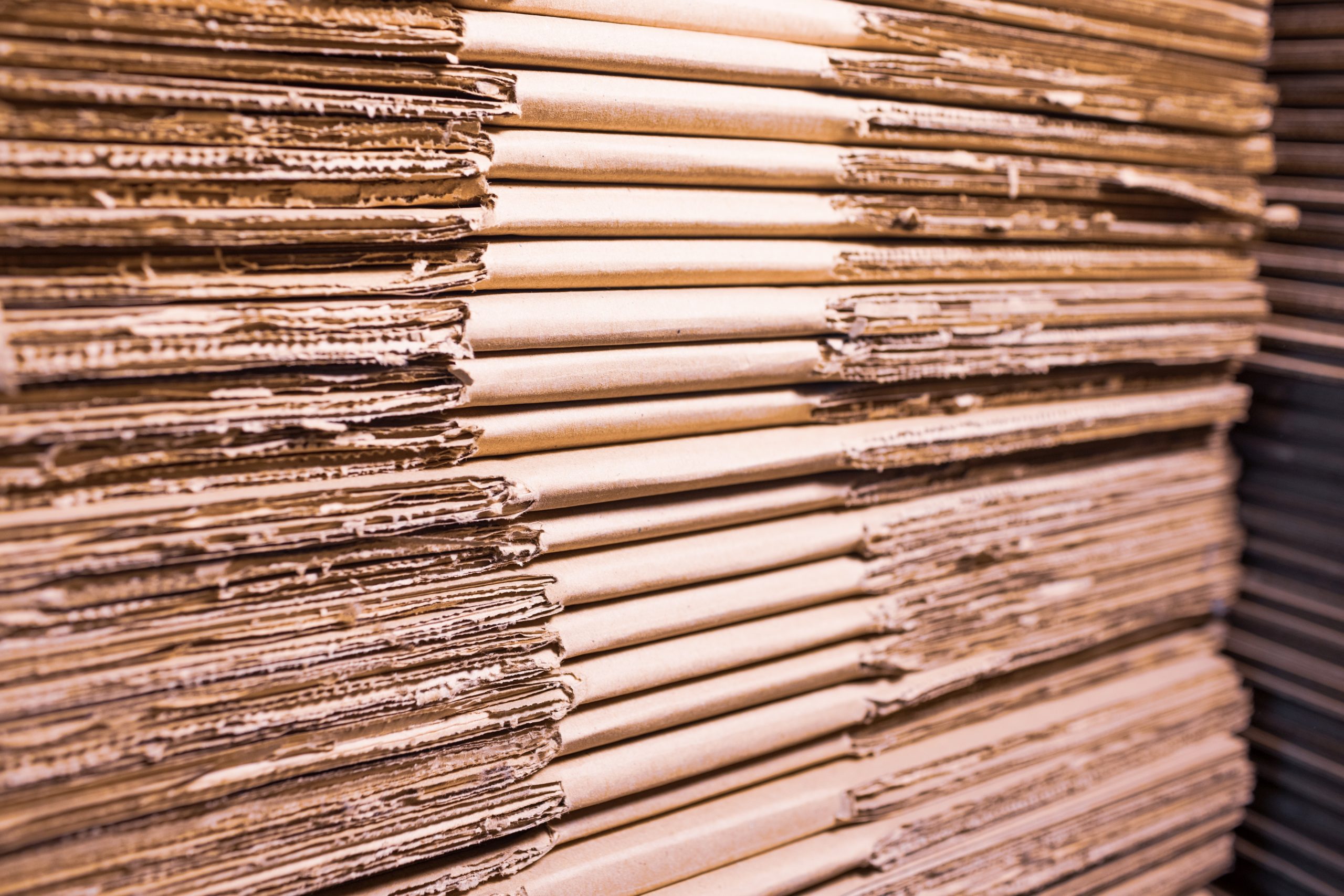
The corrugated packaging industry has been increasing its use of recycled fiber content for years, and in 2026, the availability of high-recycled-content corrugated has expanded significantly while quality has continued to improve. Many standard corrugated boxes now contain 70 to 100 percent recycled content, and suppliers can increasingly provide documentation of the recycled content percentage for buyers who need to report on their packaging sustainability metrics.
The same trend is visible in kraft paper, chipboard, and other paper-based packaging components. Recycled-content products have largely closed the performance gap with virgin-fiber alternatives in most standard applications, and the price differential has narrowed as recycled-fiber supply chains have matured.
For operations making procurement decisions, recycled-content certification is becoming a standard request, not an exceptional one. Suppliers who cannot provide it are increasingly at a disadvantage to buyers with sustainability reporting requirements.
The Growing Demand for Machinable and Mail-Ready Sustainable Packaging
As e-commerce fulfillment operations scale and automation investments accelerate, there is growing demand for sustainable packaging that performs reliably in automated environments. Packaging that is incompatible with sortation systems, conveyor lines, or automated sealing equipment is a significant operational problem, regardless of its environmental friendliness.
The good news is that the category of high-performance, machinable, sustainable packaging options has expanded substantially. All-paper mailers with built-in cushioning, recyclable poly mailers made from post-consumer recycled content, and compostable packaging materials that meet carrier specifications are all more widely available than they were even two years ago.
For operations evaluating sustainable packaging alternatives, compatibility with existing equipment and carrier specifications is a non-negotiable consideration. A packaging material that checks every sustainability box but slows down your line or gets rejected by carriers is not a viable solution. The leading sustainable packaging options in 2026 have been designed with these operational realities in mind.
Eliminating Excess Void Fill Through Better Packaging Design
One of the less glamorous but highly impactful sustainability trends is the systematic reduction of void fill through better upstream packaging design. Rather than designing a package to accommodate a range of product sizes and then filling the excess space, operations are increasingly engineering packaging that requires little or no void fill by design.
Custom-fit mailers, scored-and-folded corrugated inserts, and product-specific molded cushioning all reduce or eliminate the need for loose void fill while often providing equal or better protection. The reduction in material consumption, labor at the packing station, and waste generated by the consumer at the point of unpacking all contribute to both cost and sustainability outcomes.
Frequently Asked Questions
Is sustainable packaging more expensive than conventional packaging?
It depends on the category and the comparison. Paper cushioning, recycled-content corrugated, and right-sized packaging are often cost-neutral or lower-cost than their conventional counterparts when total costs, including dimensional-weight shipping charges and void-fill consumption, are factored in. Some specialty sustainable materials carry a premium, but the price gap has narrowed significantly.
What does “recyclable” mean in the context of packaging materials?
A material is generally considered recyclable if it can be processed in standard recycling streams, either curbside or through drop-off programs. Corrugated cardboard and kraft paper are recyclable in most curbside programs. Many plastic films require drop-off recycling. Composite materials that combine paper and plastic layers are often not recyclable in either stream.
How do I know if a packaging supplier uses recycled content?
Ask for documentation. Reputable suppliers can provide recycled content percentages for their corrugated, paper, and cushioning products. Third-party certifications such as FSC (Forest Stewardship Council) and SFI (Sustainable Forestry Initiative) provide additional assurance for paper-based products.
Do sustainable packaging materials perform as well as conventional options?
For most standard applications, yes. Paper cushioning, recycled-content corrugated, and compostable mailers have all improved significantly in performance over the past several years. The areas where performance gaps remain are primarily in high-impact applications, where foam or heavy-duty plastic films still have advantages for certain product categories.
Where can I find sustainable packaging options for my business?
National Everything Wholesale carries a range of packaging materials, including paper-based cushioning, all-paper mailers, and corrugated options, to support businesses looking to improve the sustainability profile of their packaging operations.
The Time to Adapt Is Now
Sustainable packaging is not a future consideration. It is a present reality that is already shaping customer expectations, retailer requirements, and supplier relationships across the supply chain. Operations that proactively evaluate and adapt their packaging to align with these trends are better positioned to benefit from the customer relationships, regulatory environment, and operational efficiency gains that accompany them.
Explore the full selection of packaging supplies at nationalew.com to find materials that support both your packaging performance and your sustainability goals.