
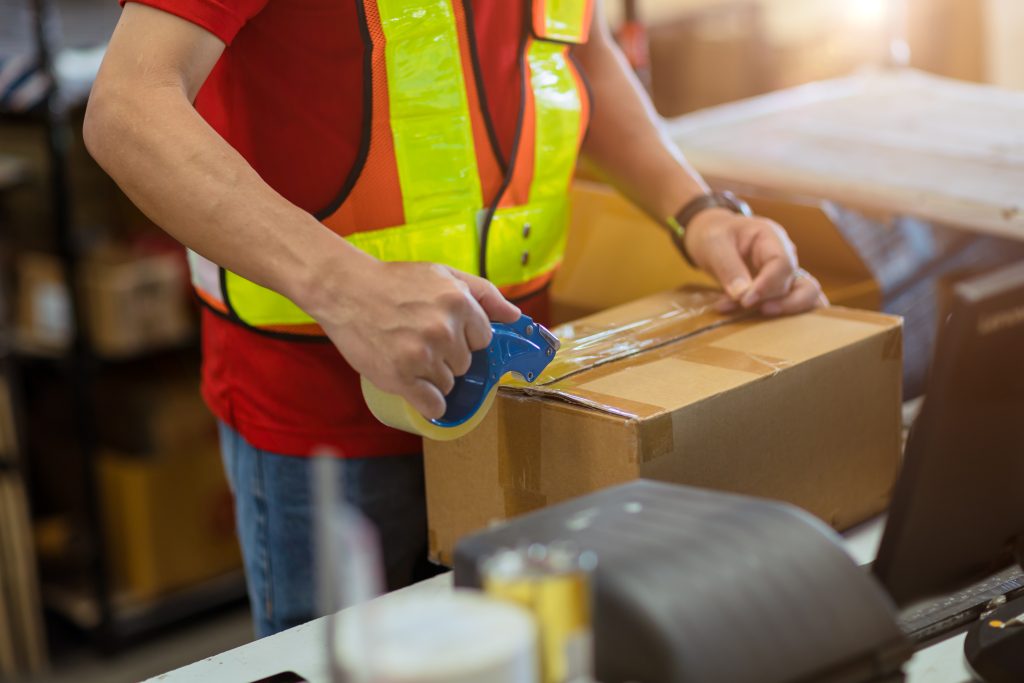
Most product damage during shipping does not result from freak accidents or negligent carriers. It happens because of decisions made at the packing station, many of them small, many of them habitual, and most of them entirely preventable.
The cost of damaged shipments is not just the replacement product. It is the labor to process the return, the delay in getting the right item to the customer, the cost of a second shipment, and the lasting impression left on a customer who received something broken. For high-volume operations, even a small reduction in damage rates can translate into meaningful savings over the course of a year.
Here are five of the most common warehouse packaging mistakes, why they happen, and what to do about them.
Mistake 1: Using the Wrong Box Size
Oversized boxes are one of the most prevalent and underappreciated sources of shipping damage. When a product rattles around inside a box that is too large, every bump and drop in transit translates into movement inside the package. That movement can scratch, dent, bend, or break products that would have survived the same journey in a properly sized box.
The instinct to use whatever box is available is understandable in a busy operation. But a box that is significantly larger than the product it contains requires more void fill to compensate, costs more to ship due to dimensional weight pricing, and is more likely to fail structurally under stack pressure because the unsupported space inside reduces the box’s effective stacking strength.
The fix: Maintain an assortment of box sizes that match the range of products your operation ships most frequently. When workers have to choose between a box that fits well and a box that requires significant stuffing, the correctly sized box should be the easier choice, not the harder one.
Mistake 2: Skimping on Void Fill and Cushioning
Products that are packed snugly in the right-sized box can still be damaged if there is nothing between the product and the box walls to absorb impact. In a box without adequate cushioning, the product is essentially in direct contact with every surface the box hits.
The mistake here is not always skipping the void fill entirely. Often, it is used just enough to fill visible space without actually creating a protective buffer. Loose fill that shifts to the bottom of the box during transit leaves the product unprotected by the end of the first leg of its journey.
The fix: Cushioning should do two things: keep the product centered in the box and absorb impact on all sides. Pack enough void fill that the product does not shift when the box is gently shaken. Use cushioning that maintains its loft under compression, such as foam-in-place, bubble wrap, or structured paper cushioning, rather than materials that flatten quickly under load.
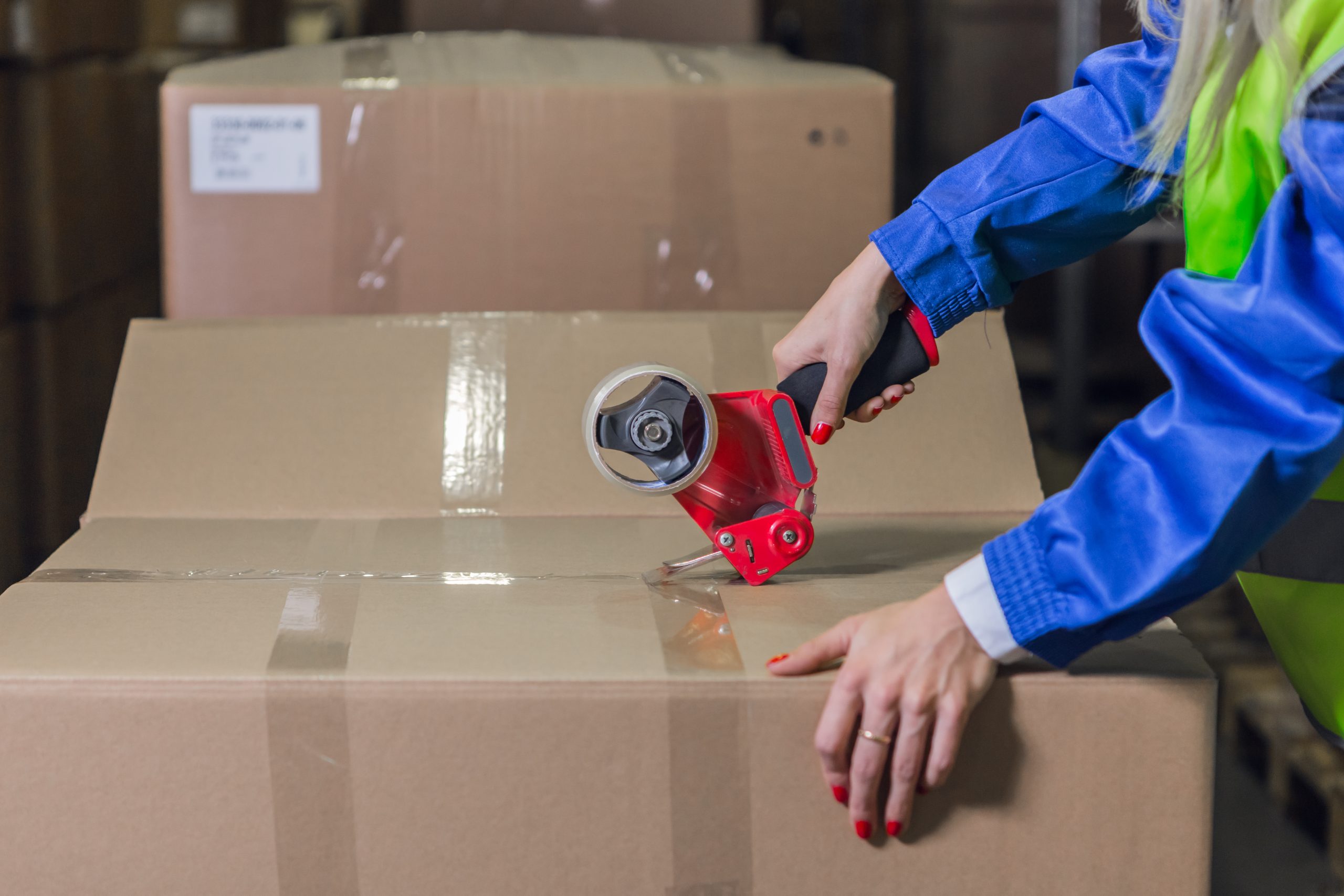
Mistake 3: Applying Tape That Is Not Right for the Box
Tape is the last line of defense between a packed box and an open one. When the tape fails, the box fails, regardless of how well everything inside was packed.
The most common tape-related mistake is using a tape with adhesive that is not compatible with the box surface. Boxes made from recycled corrugated have a rougher, less consistent surface that standard acrylic tape does not bond well to. As recycled content in corrugated has increased across the industry, operations that have not updated their tape specification are sealing boxes that look secure at the packing station but open in transit.
Other common tape mistakes include applying tape to boxes that are dusty, cold, or damp, not running tape far enough past the seam on each side, and using tape that is too thin for the box’s weight.
The fix: Match your tape specification to your boxes and your environment. Hot-melt tape bonds more aggressively to recycled corrugated and is a better choice for heavy boxes. Make sure the tape extends at least two inches past the seam on each side. For heavy or irregularly shaped boxes, an H-tape pattern provides significantly stronger closure than a single center strip.
Mistake 4: Improperly Secured Pallets
Individual boxes can be packed perfectly and still arrive damaged if the pallet they were shipped on was not properly secured. Loads that shift, tip, or collapse during transit cause damage across the entire pallet, not just to the items that were directly impacted.
Common pallet-securing mistakes include wrapping stretch film only around the middle of the load, failing to anchor the film to the pallet, using film that is too thin to hold a heavy or tall load, and skipping edge protection for boxes that overhang the pallet.
The fix: Stretch film should be applied from the base of the pallet, overlapping the pallet deck to anchor the load, and extended in overlapping passes up to the top of the stack. The top tier of the load should be wrapped with additional passes. For tall or heavy loads, use a heavier gauge film. Corner protection on pallet edges prevents boxes from being crushed at the corners under strap or band pressure.
Mistake 5: Not Accounting for the Entire Journey
Packaging decisions are often made with only the first leg of the journey in mind. A box that holds up fine on a direct truck shipment may not survive a multi-stop parcel delivery route, a sortation facility, or an overseas container journey.
Products that travel through multiple transfer points experience more handling, more vibration, and more variation in environmental conditions than direct freight shipments. Packaging designed for a single point-to-point delivery may not be adequate for the full journey your product actually takes.
The fix: Understand your distribution channel before setting your packaging specification. Products going through parcel carriers need more robust cushioning and sealing than products moving on palletized direct freight. Products traveling internationally need to account for humidity, temperature variation, and handling practices that may differ from domestic norms. When in doubt, test your packaging by having a packed box handled roughly before finalizing your spec.
Common Misconceptions About Packaging and Shipping Damage
“Damage is the carrier’s fault, not ours.” Carriers do cause damage. But the majority of damage claims trace back to inadequate packaging rather than carrier mishandling. Packaging that meets or exceeds industry standards is far less likely to result in a damage claim, regardless of what happens in transit.
“We have never had complaints, so our packaging is fine.” Customers who receive damaged products do not always report it, particularly for lower-value items. Silent attrition, where customers stop ordering rather than complain, is a real cost of poor packaging that does not show up in damage claim data.
“More packaging material always means better protection.” Excessive packaging that shifts around inside the box provides poor protection. Properly placed, adequately dense cushioning in a right-sized box is more protective than a larger box loosely filled with extra material.
Frequently Asked Questions
What is the most common cause of shipping damage in warehouses?
Inadequate cushioning and incorrect box sizing are the two most frequent causes. When products are not protected from impact inside the package or can shift freely during transit, damage is almost inevitable on longer routes.
How do I know if my tape is holding properly on recycled corrugated?
Apply tape to a piece of the corrugated you are using, let it set for a few hours, then try peeling it back. If the tape pulls away cleanly without tearing the corrugated surface, the adhesive is not bonding properly, and your tape specification should be reconsidered.
What is the H-tape method for sealing boxes?
The H-tape method involves applying tape along the center seam of the box and then across both ends where the seam meets the box sides, forming an H shape. This reinforces the three points where boxes most commonly open during handling.
How much stretch film do I need to properly secure a pallet?
A properly wrapped pallet should have the film anchored to the pallet base, wrapped in overlapping passes up the full height of the load, with additional passes at the top. The film should not be stretchable by hand once applied.
Where can I find packaging supplies to address these issues?
National Everything Wholesale carries a full range of boxes, cushioning, tape, stretch film, and pallet securing supplies at wholesale pricing for operations of all sizes.

Stop Damage Before It Starts
Shipping damage is a cost that compounds quietly. Each individual incident may seem small, but across thousands of shipments, the total impact on replacements, returns, and customer relationships is significant. The good news is that most of it is preventable with the right materials and a few straightforward changes to packing-station practices.
Explore the full selection of packaging supplies at nationalew.com and get the right materials in place before your next shipment goes out the door.