
Most shipments do not fail because of one big drop or a dramatic forklift accident. They fail because of small, repeated contact during handling. A box slides across a conveyor. A stack shifts in a trailer. A letter opener cuts through the mailer and into the product inside. These are the moments where shipment damage actually happens, and they are almost entirely preventable.
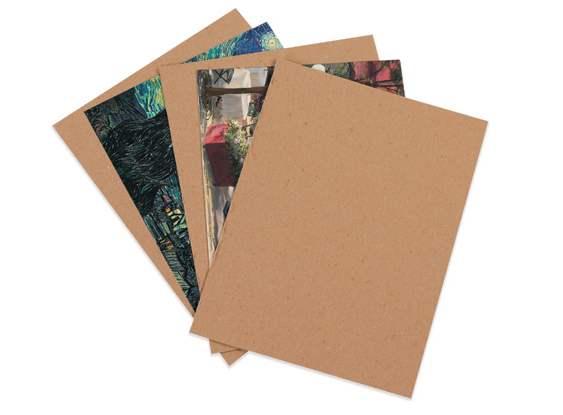
Chipboard pads are one of the most effective ways to add a layer of protection where your packaging is most vulnerable. Made from sturdy kraft fiberboard, these flat sheets reinforce boxes, separate products, and shield contents from bending, scuffing, and surface cuts during transit.
If your business ships products regularly and you are not using chipboard pads, you are likely absorbing preventable damage costs without realizing it.

What Are Chipboard Pads?
Chipboard pads are flat, rigid sheets made from compressed recycled paperboard. Unlike corrugated cardboard, chipboard is smooth, dense, and designed for protection rather than structural containment. Think of them as the reinforcement layer inside your packaging that keeps products from making contact with each other, with box walls, or with cutting tools during unpacking.
They are available in a range of sizes and thicknesses to fit different box dimensions, mailer formats, and pallet configurations. Whether you are shipping flat printed materials, layering fragile goods in a carton, or stabilizing a pallet load, there is a chipboard pad built for the job.
Where Chipboard Pads Make the Biggest Difference
Inside Flat Mailers and Envelopes
Documents, photographs, artwork, and printed marketing materials are prone to bending in the mail. A single chipboard pad placed behind or beneath the item adds stiffness to the entire mailer, significantly reducing the chance of creasing or folding during automated sorting and delivery.
Between Products in a Box
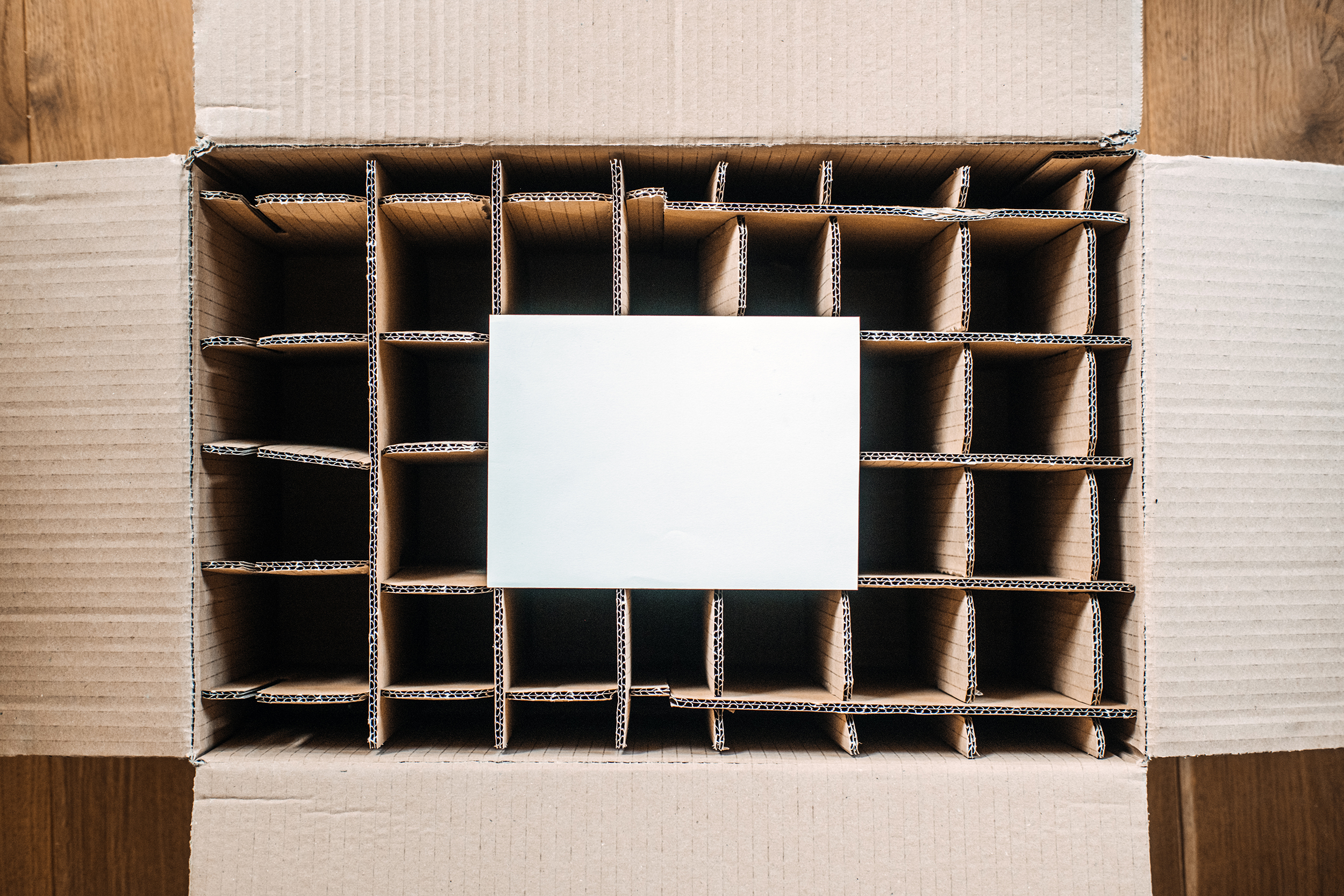
When multiple items are packed into a single carton, surface contact poses a risk. Products rub against each other, shift during handling, and arrive with scratches, scuffs, or dents. Placing chipboard sheets between layers creates a clean separation that keeps each item stable and protected throughout the shipment.
On Top of Cartons and Pallets
The top of a pallet or the upper surface of a carton is the most exposed area during transit. Chipboard pads placed on top act as a buffer against stacking pressure, strap friction, and incidental contact with other loads in the truck.
As a Barrier Against Box Cutters
One of the most overlooked risks in shipping is damage caused during unpacking. When a recipient opens a carton with a box cutter or blade, the first thing the blade contacts after the cardboard is whatever sits on top. A chipboard pad absorbs that cut and protects the actual product beneath it.
Why Businesses Choose Chipboard Pads Over Other Protective Packaging
Not every shipment requires bubble wrap, foam inserts, or custom molded packaging. In many cases, the protection you need is not about cushioning. It is about rigidity and separation. That is where chipboard pads outperform more expensive alternatives.
Cost-effective protection in bulk. Chipboard pads are significantly more affordable per unit than corrugated inserts or foam packaging. When purchased wholesale, the cost per pad drops even further, making them a practical choice for high-volume shipping operations.
Lightweight and space-efficient. Unlike corrugated sheets, chipboard pads are thin and stack flat, taking up far less storage space in your warehouse. They also add minimal weight to each package, which means they protect your products without increasing your dimensional weight charges.
Made from recycled materials. Chipboard pads are manufactured from compressed recycled paperboard, making them a responsible packaging choice. They are fully recyclable after use, supporting businesses looking to reduce packaging waste across their supply chains.
Common Mistakes Businesses Make Without Chipboard Pads
Relying on box strength alone. A corrugated box protects against external impact, but it does little to prevent products from shifting or rubbing against each other inside the carton. Internal reinforcement is just as important as external durability.
Overspending on cushioning materials. Foam peanuts, air pillows, and bubble wrap all have their place, but they are often used in situations where a rigid separator would be more effective and far less expensive. Chipboard pads solve the problem at a fraction of the cost.
Ignoring damage during unpacking. Businesses often focus on protecting products during transit, but forget about the moment the box is opened. A chipboard pad on top of the contents is a low-cost safeguard against blade cuts and handling damage at the point of delivery.

Frequently Asked Questions
What sizes do chipboard pads come in?
Chipboard pads are available in a wide range of standard sizes, from small sheets designed for envelopes and mailers to large pads built for pallets and full-size cartons. Custom sizes are also available for specialized packaging needs.
What thickness should I use?
Thickness depends on the level of protection your products require. Lighter items like documents and printed materials work well with thinner pads, while heavier or more fragile goods benefit from thicker chipboard sheets that provide greater rigidity and separation.
Are chipboard pads recyclable?
Yes. Chipboard pads are made from recycled paperboard and are fully recyclable after use. They can be disposed of alongside standard cardboard and paper recycling.
Can chipboard pads replace corrugated inserts?
In many applications, yes. Chipboard pads provide rigid separation and surface protection at a lower cost and with less bulk than corrugated inserts. For shipments where cushioning is not the primary concern, chipboard is often the more efficient and cost-effective option.
How do chipboard pads differ from corrugated pads?
Chipboard is a smooth, dense, single-layer sheet made from compressed recycled paperboard. Corrugated pads have a fluted middle layer that provides cushioning. Chipboard is thinner, lighter, and more cost-effective when the goal is rigidity and separation rather than impact absorption.
Add a Layer of Protection to Every Shipment
Chipboard pads are one of those products that do not demand attention but quietly improve the quality of every package that leaves your facility. They reduce damage claims, protect product presentation, and keep your packing process straightforward without adding cost or complexity.
National Everything Wholesale carries chipboard pads in multiple sizes and thicknesses, available in bulk at wholesale pricing. Whether you are reinforcing mailers, separating layers in cartons, or stabilizing pallets, these pads are built to fit into your existing workflow with zero disruption.
Browse our full selection of chipboard pads and place your order today.